

Cooling the AI era,
one efficient kilowatt at a time.
From hyperscale campuses to urban edge nodes, AFI SML smartfans™ and STEALTHFANS™ move the air through the dry coolers, adiabatic systems and cooling towers that keep the AI and cloud workload online — with the efficiency PUE demands and the acoustics communities expect.
Every megawatt of compute is a megawatt of heat to reject.
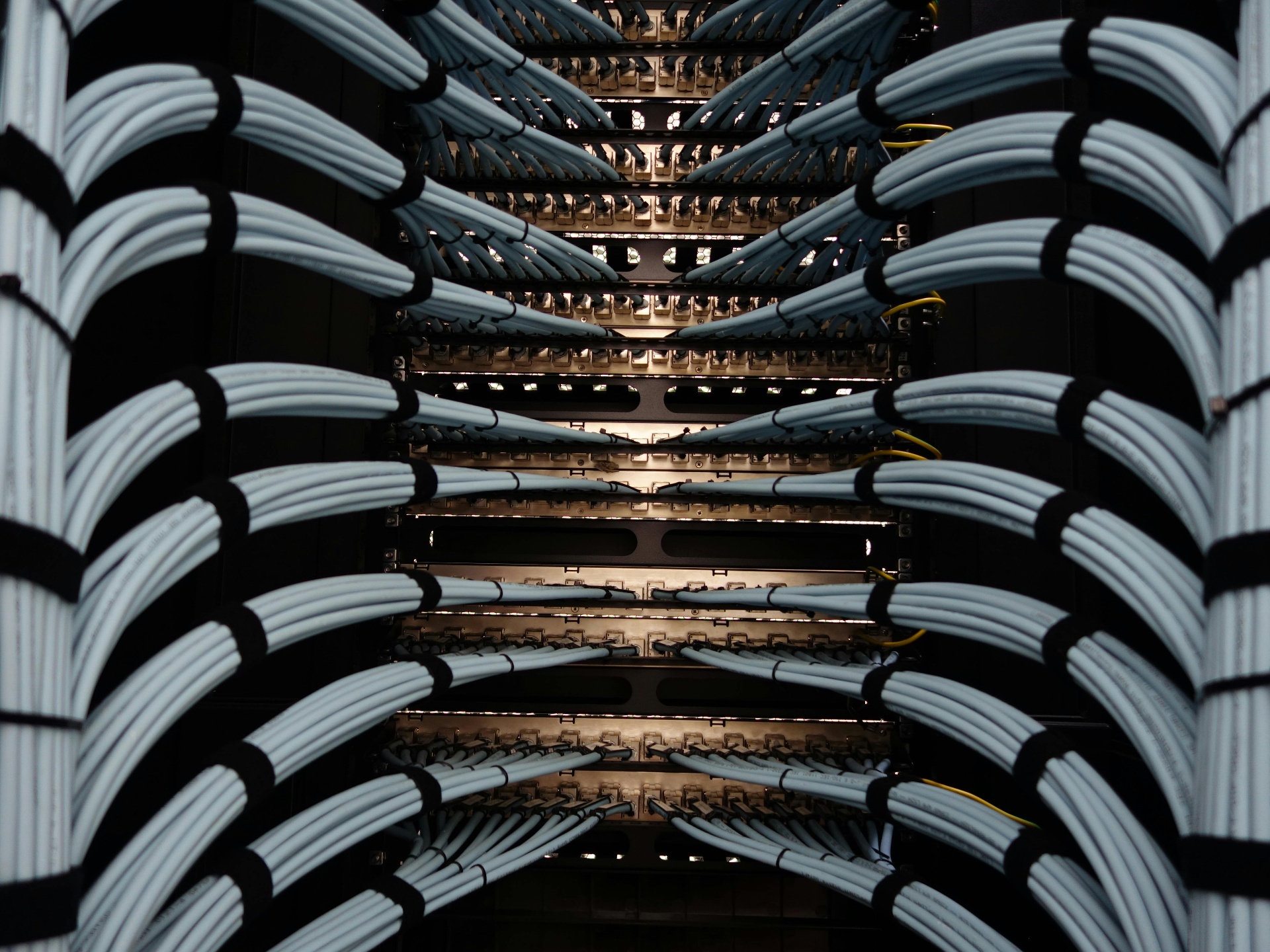
Data centers are the fastest-growing industrial cooling load on the planet. The arrival of AI training clusters has pushed rack densities from 10 kW to well over 100 kW, and the heat-rejection plant has become the single largest mechanical decision a hyperscaler or colocation operator makes. Our fans move the air through the dry coolers, adiabatic systems and cooling towers serving these facilities worldwide — combining the aerodynamic efficiency that protects PUE with the low-noise behaviour that earns acoustic permits in dense urban edge locations.
GPU racks now dissipate 40 – 130 kW each. Heat-rejection plants are being rebuilt around dry coolers, adiabatic systems and hybrid cooling towers — and the fan is the biggest moving part of every one of them.
Cooling drives Power Usage Effectiveness. A few points of fan efficiency multiplied across hundreds of cells turns straight into operating margin and into the carbon score the hyperscaler reports.
Edge and colocation facilities sit inside cities, business parks and mixed-use developments. Acoustic permits are tight, and the fan is the dominant noise source on the lot.
Two fan platforms for the data center plant.
From efficiency-first dry coolers on hyperscale campuses to low-noise edge installations next to offices and homes — each series answers a precise operating profile.
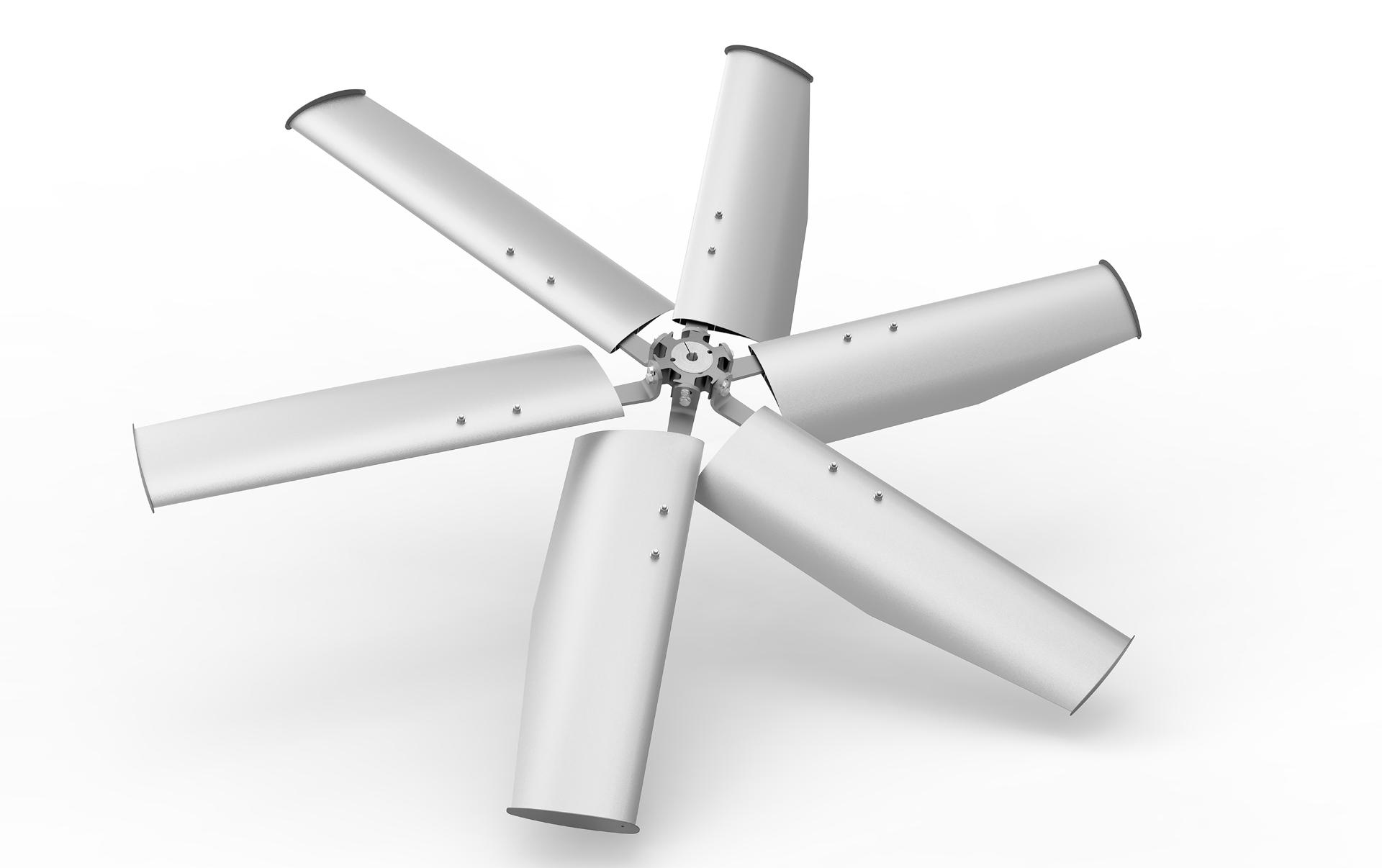
SML Series — Dry coolers, adiabatic systems & rooftop CRAH plants
Most of the heat-rejection equipment shipping to data center campuses today — V-bank dry coolers, adiabatic pads, hybrid coolers and rooftop CRAH plants — is factory-assembled around fans in this exact diameter range. The SML smartfans™ series brings the highest efficiency in its class, aluminum or UV-resistant FRP airfoils and an adjustable-pitch hub with conical-bushing fast assembly. The result is more kilowatts of heat rejected per kilowatt drawn from the grid — a direct improvement to PUE.
- Best-in-class aerodynamic efficiency
- Aluminum or UV-resistant FRP airfoils
- Adjustable pitch · fast OEM assembly
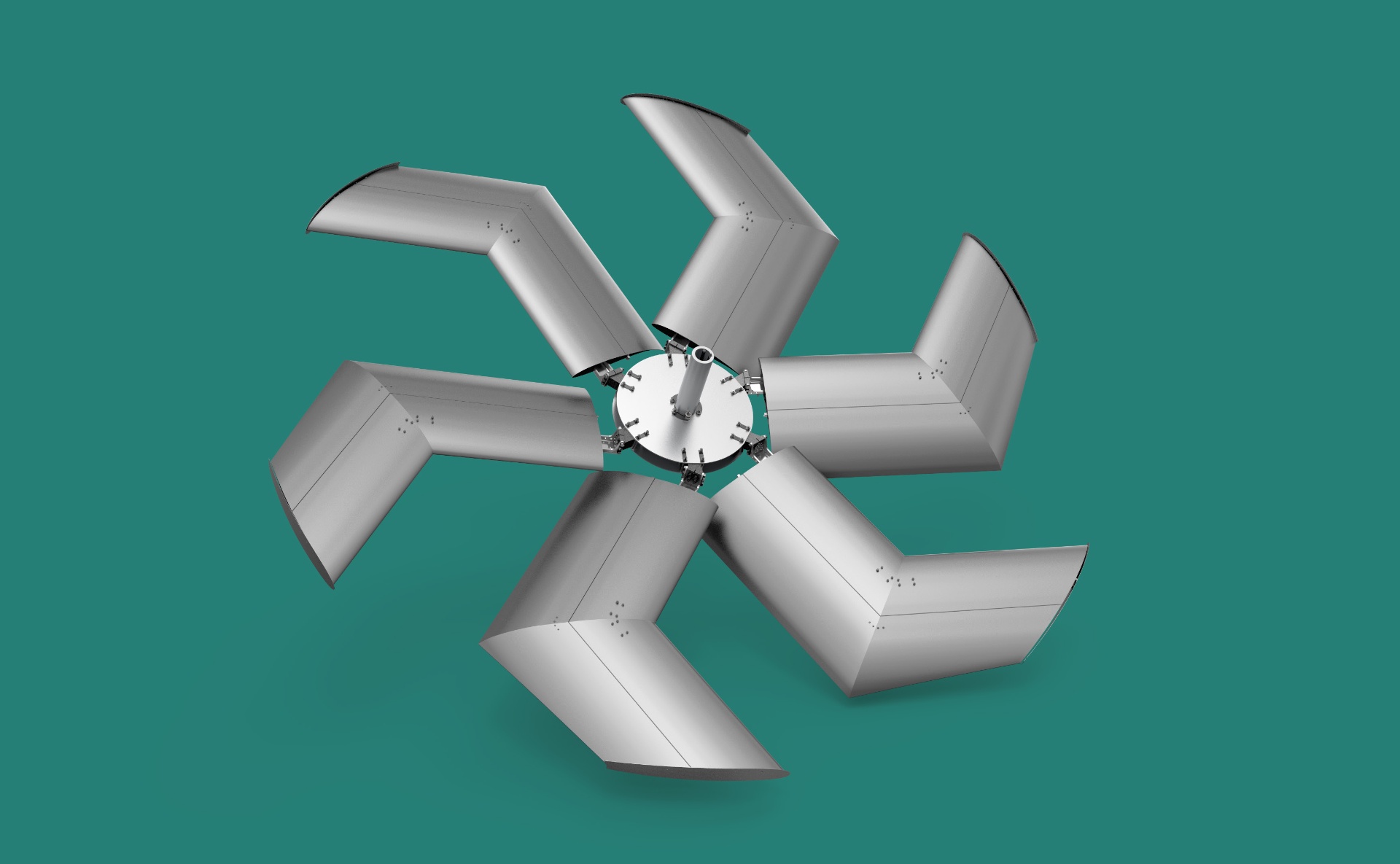
Edge sites, urban colos — stealthfansTM answers.
The stealthfansTM series is the fruit of a two-year AFI research program and represents the most advanced product in the field of very low-noise axial fans. For data centers it means the heat-rejection plant of an edge or colocation site can sit next to offices, homes and mixed-use buildings without breaching the acoustic permit — while still hitting the efficiency targets the operator's PUE budget demands. It is the only series that combines low noise with high efficiency, low weight, reduced axial space requirement and a cost comparable to a regular fan.
Better than the average regular-noise fan — power consumption stays low even when running in low-noise mode, protecting the PUE budget of the facility.
Lighter than a standard axial fan of equal duty, reducing structural load on rooftop dry coolers and prefabricated cooling skids.
Reduced axial footprint allows STEALTHFANS to be retrofitted into existing factory-assembled cooling units serving colocation and edge sites.
Comparable in cost to a regular-noise fan — letting OEMs and operators offer low-noise cooling as the standard option, not a premium upgrade.
Engineering details
Three blade profiles of particular shape and width can be combined with the chosen number of blades to bias each installation toward maximum noise reduction or maximum efficiency. Any diameter between 6′ and 40′ is available for clockwise or counterclockwise rotation. The hot dip galvanized hub disc carries an epoxy-coated central boss; airfoils are aluminum alloy or UV-resistant antistatic FRP, with a maintenance-free stainless steel leading-edge sheet for wet cooling tower service. Blade attachments are hot dip galvanized steel and aluminum alloy, with optional polyurethane coating; geomet-protected steel fasteners are standard, with stainless steel available on request. Operating range: −45 °C to +80 °C.

Send us the duty data — we'll send back airflow that protects your PUE.
Our engineering team will analyse your dry coolers, adiabatic systems and cooling towers, evaluate site acoustic constraints and outline a retrofit or new-build plan tailored to your campus or edge node.